Low-Carbon Electrics Without the Budget Blowout: A 2026 Upgrade Roadmap
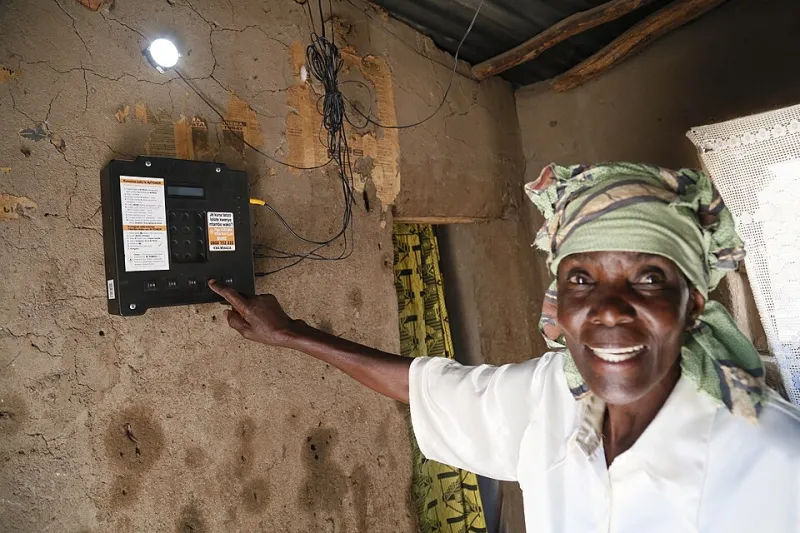
Photo: Russell Watkins / DFID, CC BY 2.0, via Wikimedia Commons
Low-carbon electrical upgrades used to be niche. In 2026, they are mainstream. EV chargers are common, heat pumps are moving into ordinary semis, and solar panels with batteries are no longer just for the eco-enthusiast down the road. The trouble is that the electrical foundations often get treated as an afterthought. People buy the charger, the panels or the heat pump first and ask the electrician to make it fit later. That is how budgets blow out.
A better approach is to plan the whole system, then install it in a sensible order. You do not have to do everything at once. You do have to avoid paying twice for the same cable, the same disruption or the same consumer unit.
Start With a Load Assessment, Not a Shopping List
Before you choose a 7kW charger or a 5kW heat pump, you need to know what your supply can actually deliver. Most UK homes have a single-phase supply with an 80A or 100A main fuse. Some have three-phase, but that is less common. An electrician will carry out a load assessment, looking at your existing demand, diversity, cable sizes and the condition of the earthing and bonding. They will also check the earthing arrangement. Is it TN-S, TN-C-S or TT? A TT system relies on an earth electrode and typically needs RCD protection. If the earthing is poor, every upgrade on top of it is built on shaky ground.
This is also the moment to check the main protective bonding to gas and water, the condition of the meter tails, and whether the consumer unit has spare capacity. A load assessment is not a sales pitch. It is the difference between a system that works and a system that trips every time the oven, car and heat pump have a chat.
The Sensible Order to Tackle Upgrades
There is no single perfect sequence, but this order usually avoids rework.
- Safety and earthing first. Get an EICR if you have not had one, fix any C1 or C2 observations, and sort out earthing and bonding. There is no point adding solar to a system with a dodgy earth.
- Consumer unit and supply capacity second. Fit a modern consumer unit with RCBOs, surge protection and spare ways. If the DNO fuse needs upgrading, start that conversation early, because it can take weeks.
- Plan the big loads together. Decide whether you are having a heat pump and an EV charger, even if one arrives a year later. Their demand affects cable sizes, consumer unit capacity and solar sizing.
- Add solar and battery next. Size the array and battery around your realistic annual use, including the heat pump and EV if they are planned. Do not size solar around last year's electricity bill if next year's bill will include a car.
- Install the EV charger when it suits you. If the cable route and capacity are already planned, this is much cheaper than retrofitting after the drive has been block-paved.
Where Hidden Costs Appear
Low-carbon upgrades have a habit of revealing things. The DNO may need to upgrade the main fuse or supply. The earthing may be inadequate. The cable route may involve lifting paving, trenching a garden or working around asbestos. The consumer unit may have no spare ways. The meter tails may be too short. The gas and water bonding may be missing. The roof may need scaffolding. The installer may need to notify building control under Part P. Solar and battery systems may need DNO notification or approval, often handled through G98 or G99 applications. Export payments need an MPAN and a smart meter that can handle it.
None of these are reasons to panic. They are reasons to get a proper survey and a detailed quote. A quote that does not mention earthing, DNO notification or cable routes is not necessarily cheap. It may simply be incomplete.
Cheap Installations Create Expensive Problems
The lowest quote often wins for a reason. If an installer does not carry out a load calculation, does not check the earthing, uses undersized cable, skips surge protection, omits DNO notification, or fails to notify building control, you are the one left holding the problem. EV charging needs the right RCD protection and open-PEN fault detection. Heat pumps need a correctly sized circuit and controls. Solar needs a safe DC installation, proper isolation and a compliant inverter. A consumer unit with no spare ways is a false economy the moment you add a battery.
Good installers are not the cheapest, but they are usually the ones who answer the phone when something goes wrong. Ask for certificates, check scheme registration, and make sure the quote lists what is included and what is not.
A Realistic 2026 Budget
These are ballpark figures for 2026, and they vary by region, access and specification. An EICR might cost £150 to £350. A consumer unit upgrade with RCBOs and SPD might be £500 to £1,000. Earthing improvements might be £250 to £800. An EV charger installed might be £800 to £1,500, plus any cable run or groundwork. A 4kW solar system might be £5,000 to £8,000. A battery might be £3,000 to £6,000. A heat pump might be £9,000 to £15,000 before any grant. A DNO supply upgrade could be anything from nothing to several thousand pounds.
Add a contingency of 15 to 20 per cent. If the budget is tight, phase the work. Safety and capacity first, solar and battery second, EV charger and heat pump as funds allow. The order can flex, but the foundations should not.
Talk to JEGS Electrical Before You Buy
It is easy to get excited about the shiny kit. The less glamorous stuff, like earthing, cable sizing and consumer unit capacity, is what makes the shiny kit work. If you are planning any low-carbon upgrade in 2026, get the electrical survey done first. JEGS Electrical can carry out an EICR, assess your supply, upgrade your consumer unit and help you plan the order that suits your home and your budget. That way you can future-proof without blowing the budget, and without paying for the same disruption twice.